October 22, 2026
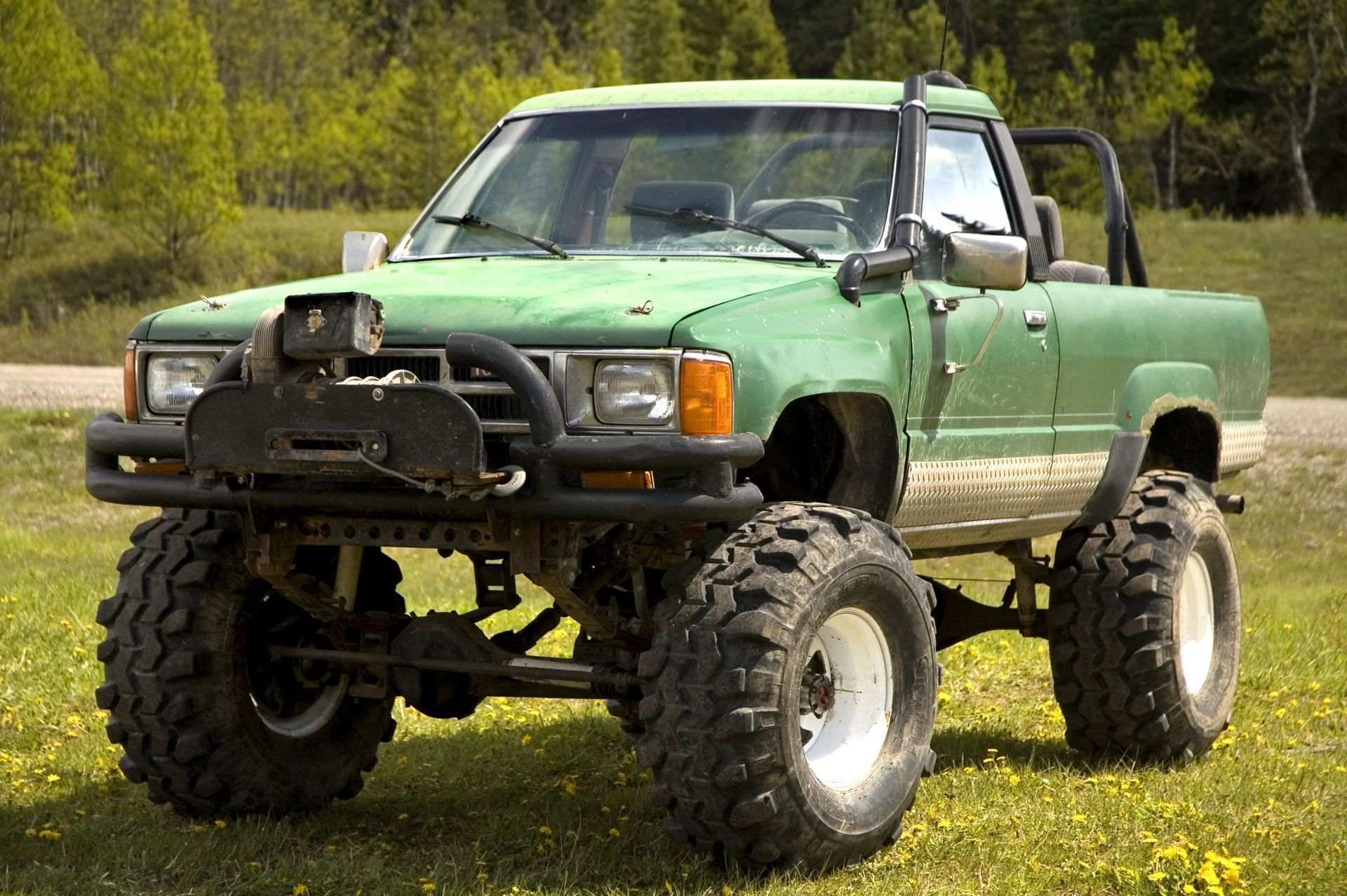
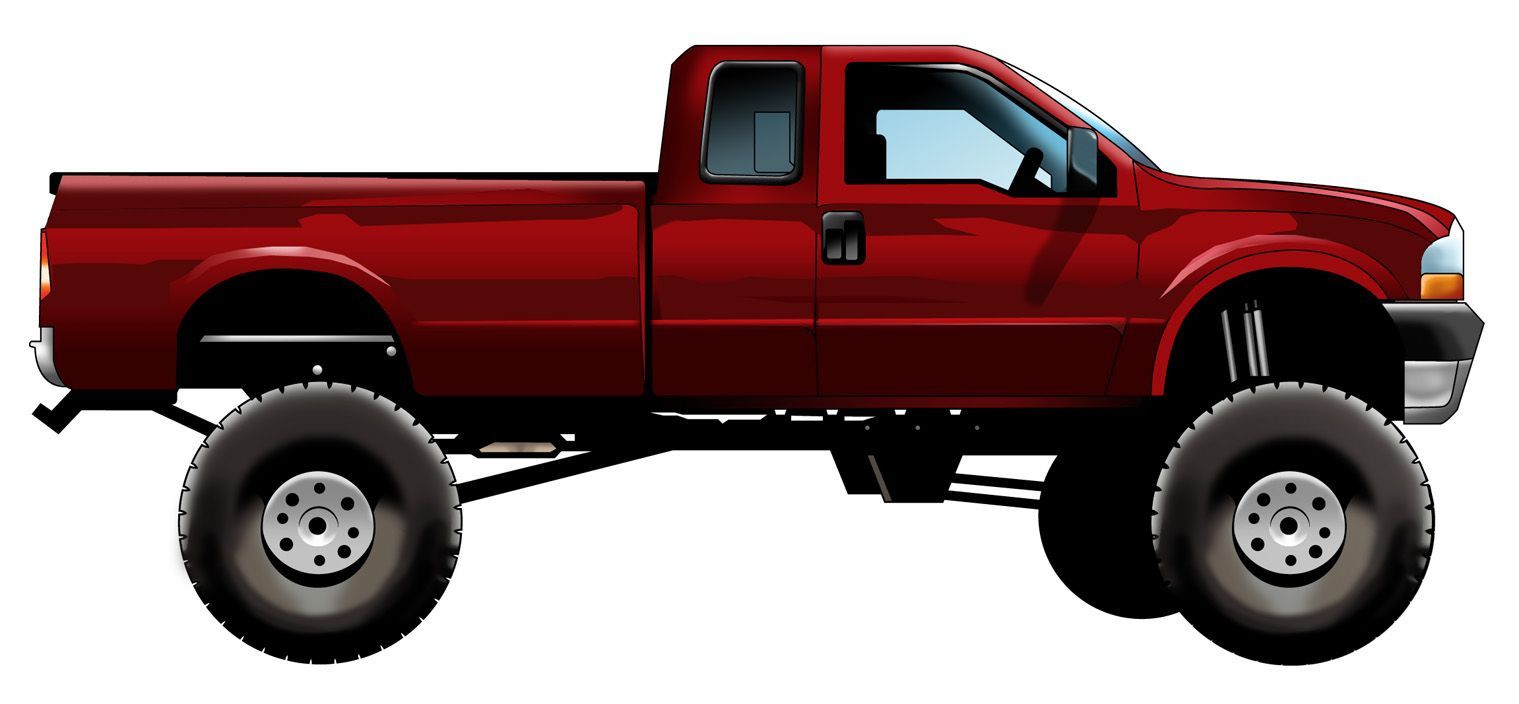
Transforming a standard vehicle into a towering, capable machine is an exciting venture for enthusiasts, outdoor adventurers, and hardworking drivers alike. Enhancing a vehicle with greater ground clearance provides obvious visual appeal, creating an aggressive stance that stands out on highways and rugged trails. Beyond visual transformation, elevating a chassis opens doors to enhanced trail traversal, superior obstacle clearance, and the ability to navigate deep ruts or snowbanks without undercarriage damage. However, modifying a factory suspension system involves far more than simply elevating the chassis above the axles. Installing a truck lift kit introduces substantial mechanical changes that alter how a vehicle steers, brakes, rides, and interacts with the pavement below.
Factory automotive engineers invest considerable research into harmonizing steering geometry, driveshaft angles, shock dampening, and center of gravity to deliver balanced ride characteristics. When an owner alters these baseline specifications, the entire dynamic equilibrium of the chassis changes. Disregarding the interconnected nature of automotive engineering can lead to premature component failure, unusual vibrations, diminished braking capability, and compromised steering predictability. Taking the time to evaluate practical considerations before undergoing major modifications ensures that your elevated vehicle performs reliably across every journey.
Whether configuring a vehicle for demanding recreational trails, heavy hauling, or daily commuting, approaching the project methodically guarantees optimal mechanical harmony. A well-planned build balances height ambitions with functional utility, component endurance, and passenger comfort. Examining the critical mechanical facets of vehicle elevation helps owners make informed decisions, ensuring their transformed machine remains dependable, enjoyable, and safe throughout years of regular operation.
Evaluating Suspension Geometry and Drivetrain Alignment
The primary concern when raising a vehicle involves maintaining appropriate alignment angles throughout the steering and suspension architecture. Elevating the chassis shifts upper and lower control arms, tie rods, track bars, and sway bar links away from their original factory angles. If these components operate outside their intended mechanical envelopes, drivers experience bump steer, uneven tire wear, and unpredictable handling when cornering or traversing rough terrain. High-caliber modification systems address these changes by including corrected control arms, dropped pitman arms, and heavy-duty relocation brackets that preserve correct alignment settings.
Driveline angles also demand careful scrutiny when increasing suspension travel and ride height. Raising the frame creates steeper operational angles for front and rear driveshafts, placing immense rotational stress on universal joints and constant velocity boots. If driveshaft angles become too severe, high-speed driveshaft vibrations develop, rapidly destroying pinion bearings, transfer case seals, and transmission output shafts. Incorporating a well-engineered truck lift kit with transfer case drop spacers or custom high-angle driveshafts preserves driveline integrity, ensuring smooth rotational energy transfer from the engine to the wheels across varying road conditions.
Selecting Appropriate Tires and Wheel Combinations
A primary motivation for raising a vehicle is creating adequate fender clearance for larger, more aggressive off-road tires. Taller tires deliver superior traction on muddy trails, loose gravel, and steep inclines while dramatically enhancing under-axle clearance. However, installing oversized rubber packages involves much more than simply bolting larger wheels onto the hubs. Larger tires alter the final drive gear ratio, dulling throttle response, reducing acceleration power, and causing automatic transmissions to hunt continuously between higher gears during highway travel.
Furthermore, increased tire diameter and aggressive tread width can cause substantial rubbing against inner fender wells, suspension links, and front bumpers during sharp turns or deep suspension compression. Selecting the right wheel offset and backspacing is crucial to maintain proper clearance without placing excessive leverage on wheel bearings and ball joints. Choosing a complete truck lift kit engineered around specific tire dimensions allows owners to maximize rubber footprint while preventing destructive tire contact against frame rails and delicate sheet metal.
Upgrading Braking Capabilities and Steering Components
As vehicle height and wheel dimensions increase, the physical dynamics governing vehicle stopping distance and steering control undergo substantial alteration. Taller tires feature significantly higher rotational inertia, demanding far greater clamping force from brake calipers to bring rolling momentum to a halt. Factory brake rotors, pads, and hydraulic fluid lines that functioned adequately with stock tires often struggle under the increased thermal load created by heavy, oversized wheel packages. Drivers who neglect braking enhancements may experience extended stopping distances and premature brake fade during repeated hard stops.
Steering stability also requires reinforcement to handle the amplified leverage exerted by larger tires against the front axle. Standard steering gearboxes, tie rod ends, and intermediate shafts endure elevated rotational strain when turning heavy tires across dry asphalt or rugged rock beds. Installing a heavy-duty steering stabilizer, reinforced tie rods, and upgraded hydraulic assist systems helps absorb harsh trail impacts before they reach the driver's hands. Complementing a comprehensive truck lift kit with reinforced braking components and steering stabilizers ensures that your vehicle retains responsive handling and dependable stopping authority under all conditions.
Maintaining Long-Term Powertrain Health and Efficiency
Elevating a vehicle introduces altered aerodynamics and greater rolling resistance, which places continuous mechanical demands on internal powertrain systems. Taller stances allow more turbulent airflow underneath the chassis, increasing aerodynamic drag at highway speeds and forcing engines and cooling systems to work noticeably harder. Transmission temperatures can rise significantly during uphill climbs or heavy towing maneuvers due to the altered final drive ratio. Installing auxiliary transmission coolers and heavy-duty engine radiators provides the thermal regulation needed to protect internal engine components against excessive heat buildup.
Powertrain health requires ongoing diligence, especially for heavy utility haulers that endure rigorous jobsite demands and heavy trailering duties. According to Business Research Insights, approximately 97% of heavy-duty commercial haulers run on diesel fuel, meaning specialized mechanical upkeep and attentive diesel servicing remain essential to preserve lasting performance. Incorporating a durable truck lift kit on a heavy-duty platform requires matching the suspension modifications with attentive engine maintenance, frequent fluid flushes, and proper differential re-gearing to keep the entire powertrain operating at peak mechanical efficiency.
Adjusting Daily Driving Habits for Increased Ground Clearance
Operating a tall vehicle requires an intuitive adjustment in driving technique, situational awareness, and daily road management. Elevating the chassis shifts the physical center of gravity higher off the pavement, which directly influences body roll during rapid lane changes, sudden emergency swerves, and sharp highway curves. Drivers accustomed to stock vehicle dynamics must practice smoother steering inputs, reduce speeds when entering off-ramps, and maintain greater following distances behind leading traffic to ensure complete vehicle control at all times.
Everyday parking structures, residential garages, automated car washes, and drive-through lanes also present vertical clearance limitations that elevated vehicle owners must carefully monitor. Checking rooftop clearances before entering subterranean garages prevents severe body and roof damage. When embarking on off-road journeys, drivers benefit from familiarizing themselves with their modified approach, breakover, and departure angles. Equipping your vehicle with a reliable truck lift kit expands overall off-road capability, but adapting personal driving habits guarantees that your elevated rig remains safe and composed across every environment.
Lifting a vehicle offers incredible rewards in capability, presence, and versatile outdoor utility, provided the transformation is executed with comprehensive mechanical understanding. From correcting steering geometry and driveshaft alignment to reinforcing braking systems and adapting driving habits, every alteration plays an interconnected role in overall vehicle performance. Investing in a properly engineered truck lift kit ensures that your elevated vehicle delivers breathtaking capability without sacrificing daily reliability, passenger comfort, or mechanical longevity.
If you are ready for professional suspension enhancements and superior custom builds, contact us at BKS Built Trucks today. We will help you design, configure, and assemble an exceptional vehicle that delivers uncompromising performance on the road and on the trail.